
How to Create a Brand Identity for Yourself (Personal Branding Edition)
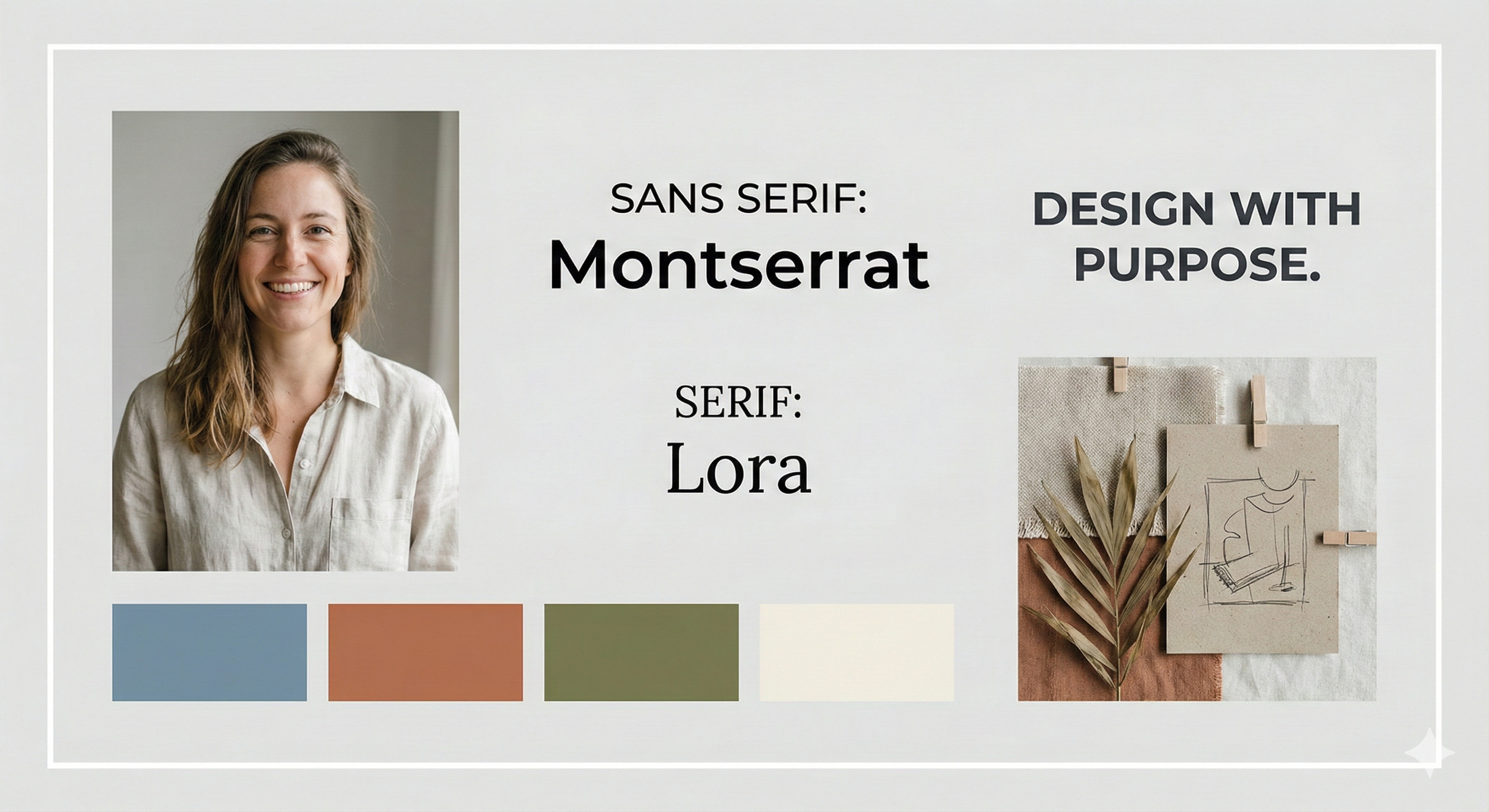
Your personal brand is not just how you look online it’s how you make people feel, what you’re known for, and the energy you bring into every space.
Whether you’re a creator, freelancer, coach, or professional, having a clear personal brand identity helps you attract the right opportunities with confidence.
In this guide, you’ll learn how to build a brand identity that feels authentic, memorable, and unmistakably you.
1. Start With Your Personal Mission
Your mission statement answers a simple question:
“What do I help people do, and why does it matter?”
Examples:
“I help small businesses simplify branding.”
“I teach young women how to build confidence through creativity.”
“I create content that inspires entrepreneurs to take action.”
A strong mission gives your identity direction and purpose.
2. Define the Feeling You Want People to Experience
Your personal brand is not just what you say, it’s the emotion you leave behind.
Ask yourself:
Should people feel calm around your brand?
Inspired?
Empowered?
Understood?
Motivated?
Entertained?
This emotion becomes the foundation of your tone, visuals, and messaging.
3. Choose Your Signature Personality Traits
Your personality is what makes your personal brand unique.
Pick 3–5 traits that describe you naturally:
Confident
Warm
Minimal
Bold
Playful
Luxurious
Approachable
Insightful
Consistency is key.
Choose traits you can live out across your content, visuals, and communication.
4. Build Your Visual Identity (The Simple Version)
You don’t need a full brand book, but you do need consistency.
Focus on these four essentials:
✓ Color Palette
Select 2–3 signature colors you’ll use everywhere.
These colors should reflect your personality and the feeling you want to create.
✓ Typography
Choose one headline font + one body font.
Modern and simple works best for personal brands.
✓ Photography Style
Decide how you want your photos to look:
neutral
bright
moody
soft
editorial
lifestyle
This becomes your visual “mood."
✓ Logo (Totally Optional)
A simple name-based logo is enough; initials or clean typography work perfectly.
5. Shape Your Brand Voice
Your brand voice is how you communicate.
Choose the tone that matches your personality:
Professional
Conversational
Empowering
High-energy
Calm
Bold
Aim for the same tone across your captions, emails, videos, and website.
Your voice should feel like you on your best day, clear, confident, and authentic.
6. Craft Your Personal Brand Statements
These sentences help people understand who you are quickly:
Tagline
A short, memorable phrase
Example: “Designing clarity for modern creatives.”
Elevator Pitch
One clean sentence explaining what you do and who you help.
Short Brand Story
3–4 sentences that share your journey, mission, and purpose.
These statements create an instant connection.
7. Apply Your Brand Everywhere
Your personal brand identity should show up consistently across:
Instagram & TikTok
Website or portfolio
Email signature
LinkedIn
Content thumbnails
PDFs, proposals, or digital products
Profile photos & backgrounds
Think of your identity as a thread. Once you define it, weave it through every touchpoint.
Building a personal brand identity is not about being perfect.
It’s about being intentional.
When your visuals, tone, and message all point in the same direction, you create a brand that feels grounded, confident, and unmistakably yours.
Whether you're creating content, offering services, or building a business — your identity is the bridge between who you are and who you’re becoming.