
Creating a Brand Name and Logo That Feel Right for Your Business
Choosing your brand name and logo is one of the most defining moments in building your identity. These two elements become the “face and voice” of your business which people remember, repeat, and associate with your value.
Whether you're launching a new brand or refreshing an old one, this guide will help you create a name and logo that feel aligned, intentional, and unmistakably you.
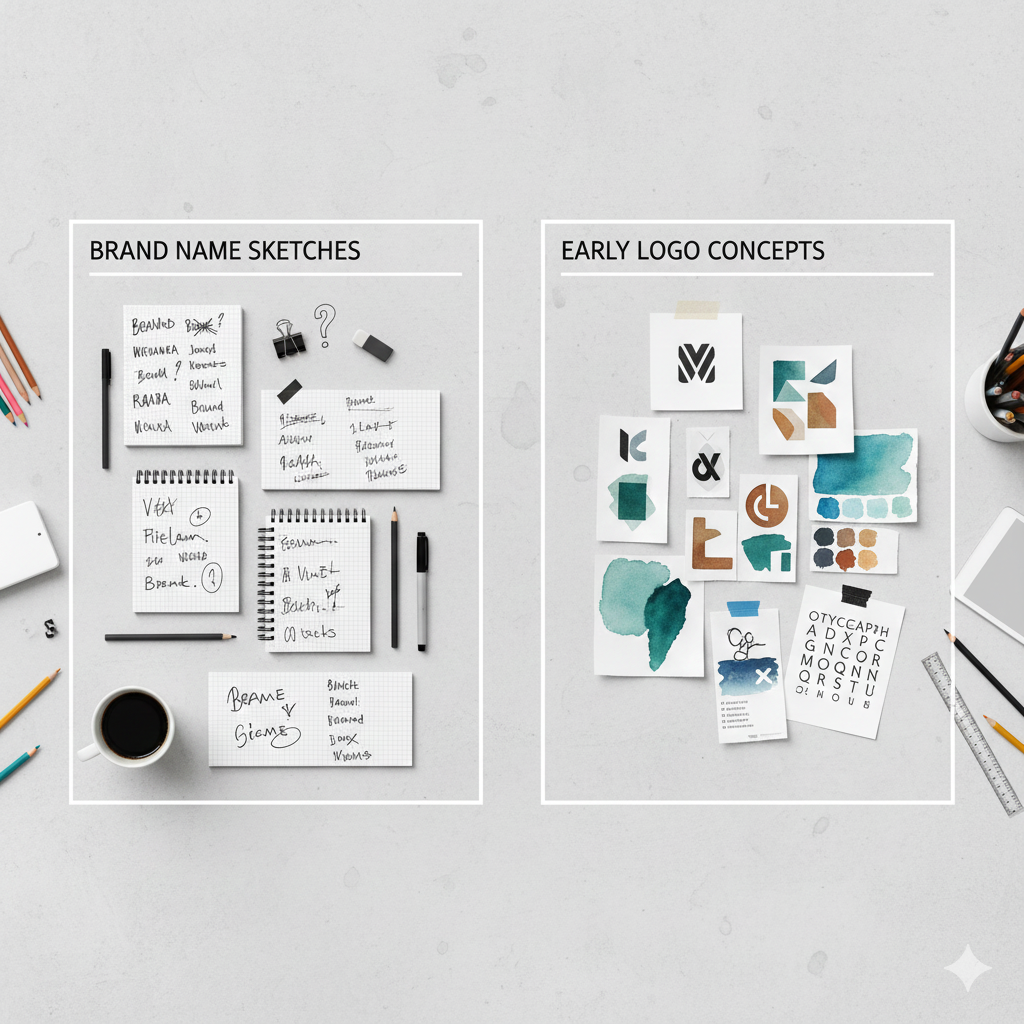
1. Start With What Your Brand Represents
Before brainstorming names or sketching logos, get clear on your foundation:
What does your brand stand for?
Who are you speaking to?
What transformation do you offer?
How do you want people to feel?
You’re not choosing a name or design because it “sounds cute,” you’re choosing one that reflects your purpose.
2. Brainstorm Names That Match Your Personality
Now explore name styles that fit your brand identity:
Descriptive (tells people what you do) — e.g., The Skin Co.
Evocative (creates a feeling or story) — e.g., Wildly Rooted
Invented (unique and ownable) — e.g., Canva
Founder-based — e.g., Jasmine A. Studio
Keep the best names short, memorable, easy to say, and easy to spell.
Tip: Say each name out loud. If it feels awkward, it probably won’t stick.
3. Check Availability Early
Before falling in love with a name, check:
Domain availability
Social media handles
Trademarks
Local business registry
This saves you from rebranding later.
4. Build Your Logo Around Brand Strategy
Your logo isn’t just a graphic; it’s a strategic tool.
A strong logo:
Feels aligned with your brand personality
Works well in small and large sizes
Looks good in color and black-and-white
Stays timeless (not overly trendy)
It is versatile across platforms
Let your visuals reflect your message, not distract from it.
5. Choose Colors and Typography That Support the Logo
Your logo doesn’t live alone; it works with your full identity.
Colors should evoke the feelings you want your audience to associate with you.
Fonts should reflect the tone of your brand: bold, soft, modern, minimalist, playful, or premium.
Think of your logo as the anchor, and your color/type system as the environment it lives in.
6. Test It With Real People
Show your top names and logo concepts to:
Peers
Ideal customers
Friends who can be honest
Ask:
What does this name make you think of?
How does this logo make you feel?
Does this remind you of another brand?
Look for consistent reactions.
7. Choose the One That Feels Like Home
The right name and logo won’t feel forced.
They won’t feel like you’re “trying too hard.”
They’ll feel natural like the brand you were always meant to build.
Trust your strategy, and trust your instincts.