
How to Make Your Own Brand Products That Match Your Identity
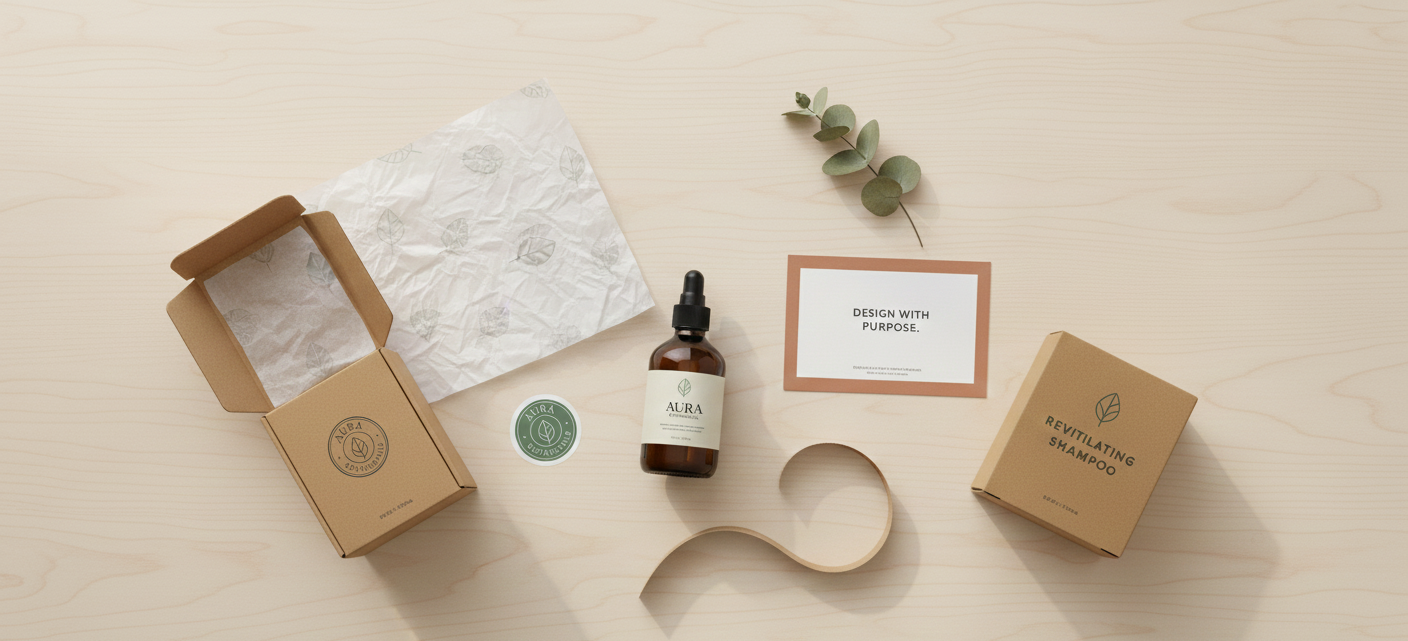
Creating your own branded products is one of the most exciting stages of building a business. Whether you’re launching merch, packaging, digital products, or physical goods, the goal is simple:
Everything you produce should look and feel unmistakably “you.”
A strong brand identity doesn’t stop at your logo; it should flow into every product you touch. Here’s how to make sure your products align beautifully with your brand identity and leave a lasting impression.
1. Start With Your Brand Foundation
Before choosing packaging styles, materials, or product colors, revisit your brand identity:
Your mission
Your values
Your audience
Your visuals (colors, fonts, logo)
Your personality
These core elements guide every decision so your products feel cohesive and intentional.
2. Choose Materials and Finishes That Reflect Your Brand Personality
The feel of your product matters just as much as the look.
Examples:
A luxury brand → matte finishes, embossed textures, muted colors
An eco-conscious brand → recycled materials, kraft paper, earthy tones
A bold, youthful brand → glossy finishes, bright colors, playful typography
Your physical choices tell a story before a customer even opens the box.
3. Keep Your Color Palette Consistent
Your brand colors should appear across:
Packaging
Product labels
Digital downloads
Stickers, inserts, thank-you cards
Merch items
Consistency builds recognition, even from across the room.
4. Make Your Logo Functional, Not Just Pretty
Your logo should be flexible enough to work on:
Small labels
Large packaging
T-shirts
Digital product covers
Stickers
Use different logo variations (primary, secondary, icon/submark) to ensure your products always feel on-brand without feeling repetitive.
5. Design Product Graphics With Your Brand’s Visual Style
Everything from illustrations to layout should reflect your established style guide.
If your brand is:
Minimalist → Use clean layouts and lots of white space
Playful → Use expressive shapes, pops of color, organic lines
Editorial → Use structured grids, refined typography, elegant imagery
Your visual direction should be unmistakable.
6. Match Your Tone of Voice in Product Copy
Yes — even your product descriptions, labels, and inserts must feel like “you.”
For example:
Friendly brand → warm, simple, conversational copy
Premium brand → elevated, confident, refined messaging
Quirky brand → humorous, unconventional phrases
Your voice is just as important as your visuals.
7. Create a Unified Unboxing Experience
Unboxing is branding.
Think about:
Tissue paper
Stickers
Thank-you cards
Product inserts
Packaging tape
QR codes linking to care guides or tutorials
A memorable unboxing moment turns a one-time buyer into a loyal customer.
8. Test Your Products Across Different Touchpoints
Look at your products in different environments:
On shelves
On your website
In lifestyle photos
In the customer's hands
On your Instagram feed
Your products should blend seamlessly into every space where your brand shows up.
9. Stay Consistent, but Leave Room for Growth
Your products should follow your brand identity, but you don’t want to feel boxed in.
Build a flexible system that allows for:
Seasonal collections
Limited editions
Collaborations
Special packaging
As long as the foundational elements stay the same, your brand will feel cohesive, not repetitive.